4. Brown spots or uneven skin tone
Unexplained discoloration or dark spots on your feet may be related to hormonal changes caused by liver dysfunction, especially in long-term cases.
For guidance only
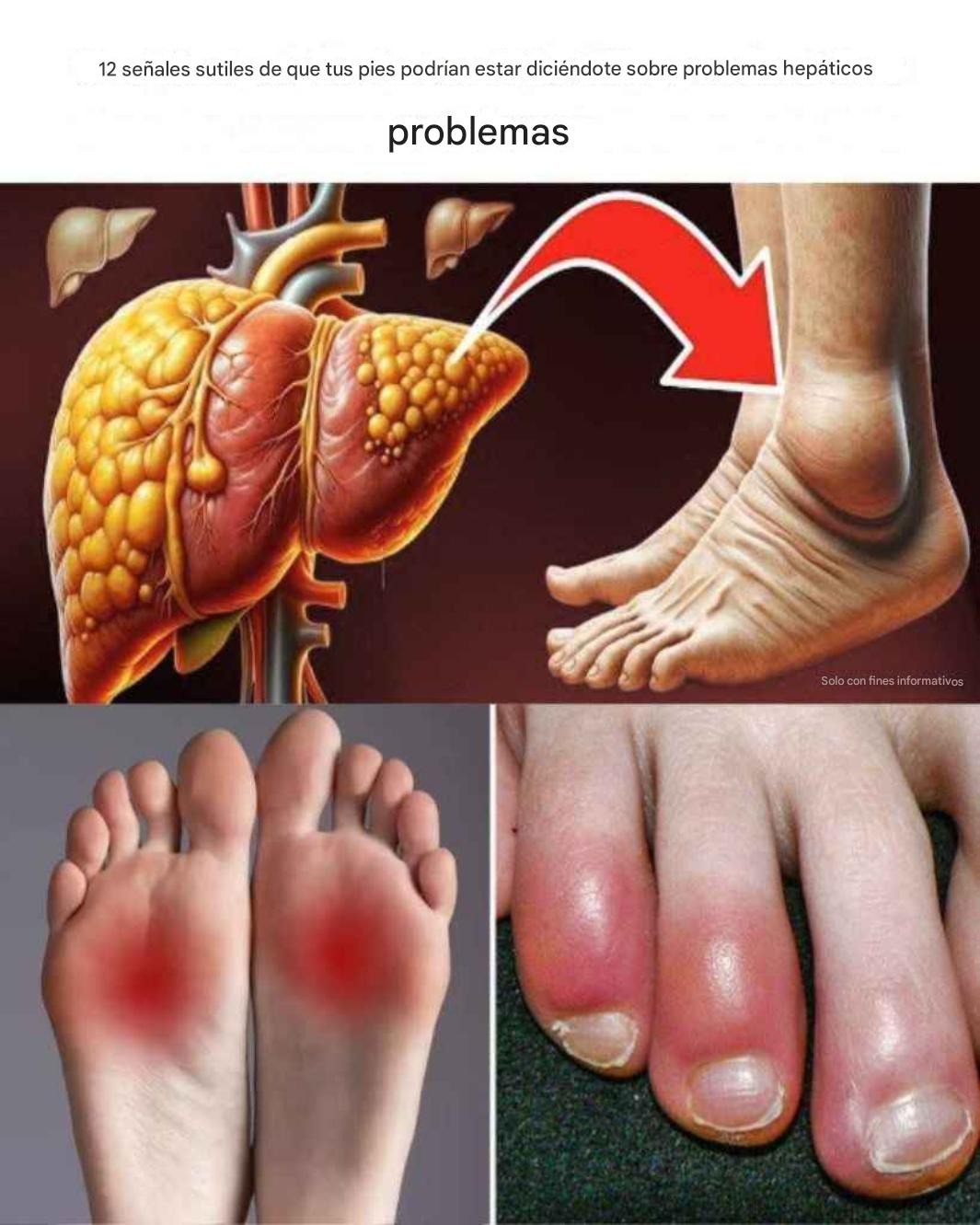
5. Red or spotted soles
Bright red soles may be a sign of palmar erythema, sometimes linked to hormonal imbalances caused by chronic liver stress.
6. Tingling, burning or numbness
These sensations may signal peripheral neuropathy, a form of nerve damage that can occur when liver function declines.
7. Cold feet, even in warm weather.
Chronic liver problems can slow your circulation and metabolism, causing your feet to feel cold despite a warm environment.
For guidance only
8. Brittle, yellowed or deformed nails
Liver diseases can interfere with nutrient absorption, leading to weakened toenails that split, crack or change color.
9. Cracked heels that won’t heal.
Extremely dry and cracked heels, even with regular moisturizing, can be the result of internal hydration problems or liver-related skin changes.
For guidance only
10. Frequent fungal infections of toenails
A weakened immune system linked to liver stress can make you more vulnerable to infections, especially persistent fungal problems of the toenails.11. Leg cramps or foot fatigue:
When the liver fails to regulate electrolyte levels, you may experience leg cramps or unexplained fatigue in your feet.
12. Unexplained bruising on the feet or toes
If you notice random bruising without injury, it may be because your liver is not producing enough clotting proteins, resulting in easy bruising.
⏩continúa en la página siguiente⏩
