High blood pressure (hypertension)🩸 : This is one of the most significant factors. Elevated pressure exerts constant force on the walls of the blood vessels, stressing and weakening the most vulnerable areas.
Atherosclerosis (Plaque Buildup)🍔 : Plaque, composed of fat, cholesterol and other substances, not only narrows the arteries, but also inflames and damages their inner wall, facilitating the formation of an aneurysm.
Genetic Predisposition and Family History👨👩👧👦 : Having a first-degree relative (parents, siblings) who has suffered an aneurysm significantly increases your risk. Some people are born with an inherent predisposition to having weaker arterial walls.
Smoking : Smoking is a critical and 🚬modifiable risk factor . Tobacco toxins directly damage the endothelium (the inner lining of the arteries) and accelerate the degenerative process.
Severe Trauma or Infection🦠 : A severe blow or an infection affecting a blood vessel (vasculitis) can initiate the weakening process that leads to an aneurysm.
Connective Tissue Diseases : Conditions such as Marfan syndrome or Ehlers-Danlos affect the proteins that provide strength and elasticity to tissues, including blood vessels.
Age and Gender👴👨 : The risk increases with age, and men have a higher incidence of abdominal aortic aneurysms than women.
Key Symptoms: When to Pay Attention⚠️
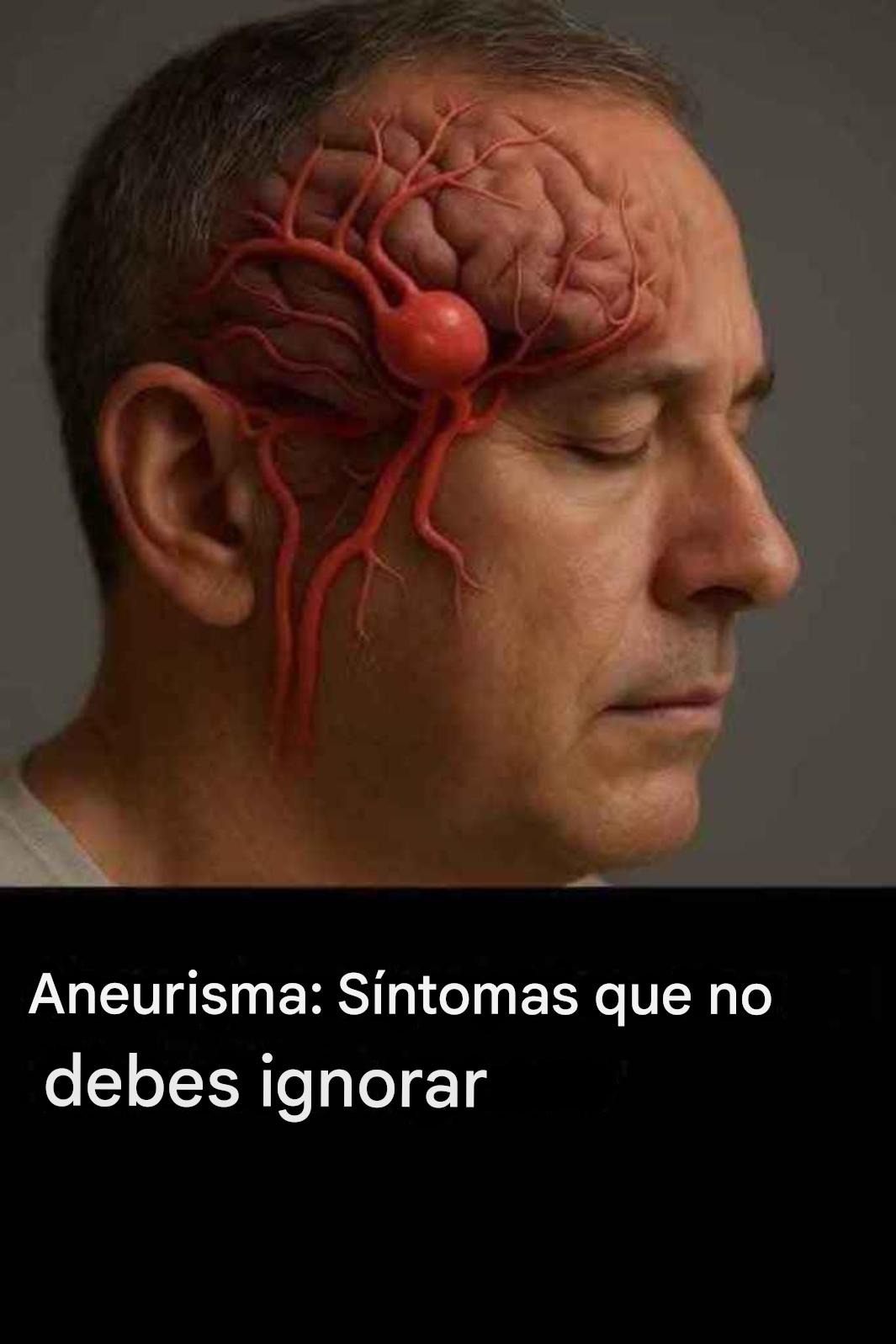
The great paradox of aneurysms is that, while they are intact and small, they are often “silent” or asymptomatic . Many are discovered incidentally during imaging tests performed for other reasons. However, when they grow or rupture, the warning signs are unmistakable and require immediate action.
⏩continúa en la página siguiente⏩
